

















Arcade
A fast-action genre built around quick reflexes, simple controls, and addictive high-score chasing 🎯
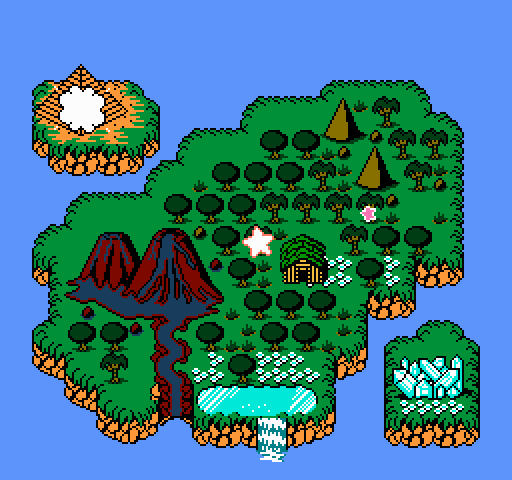
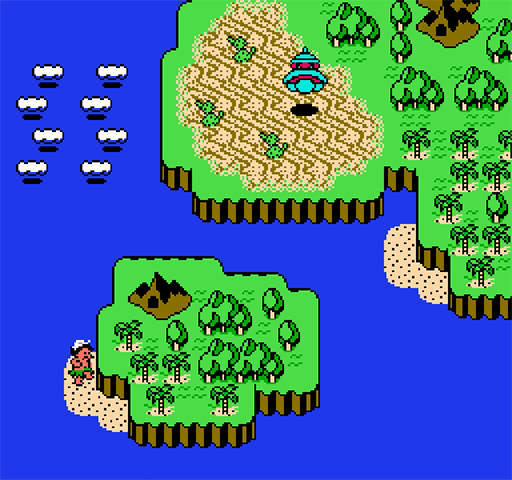
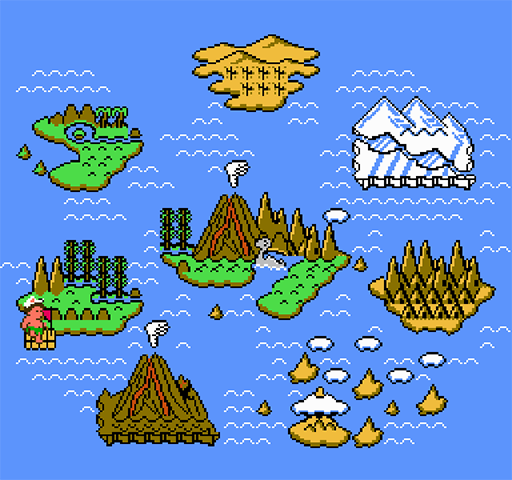
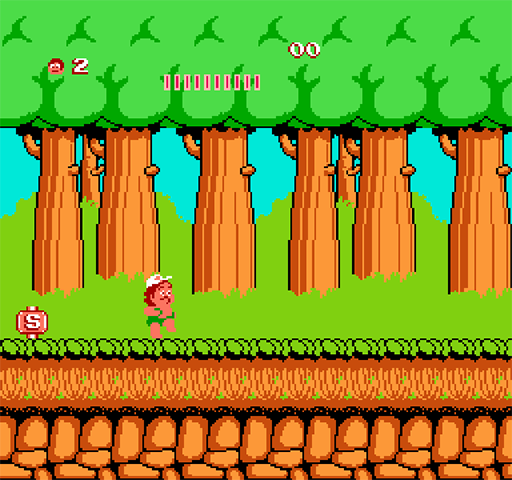
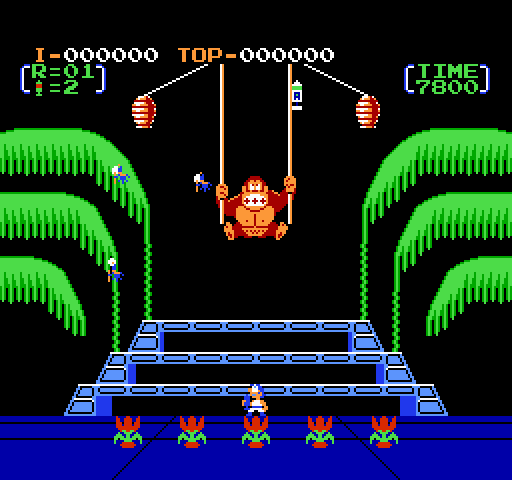
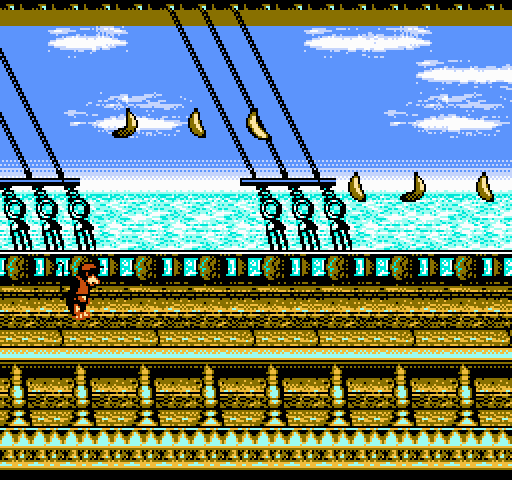

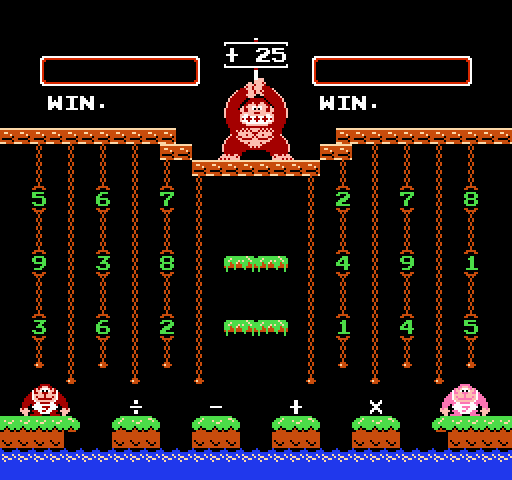
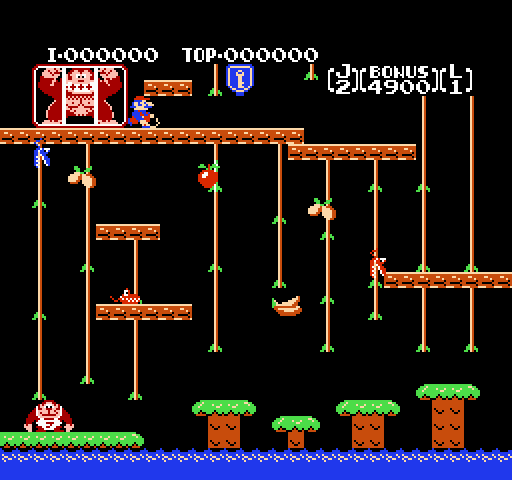
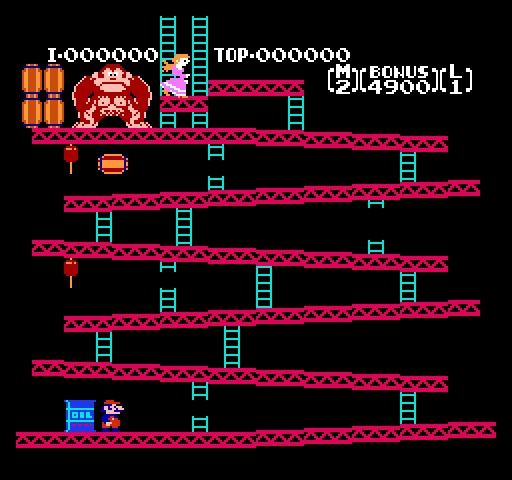












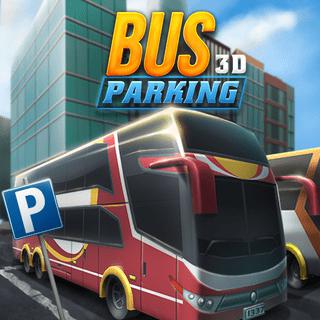





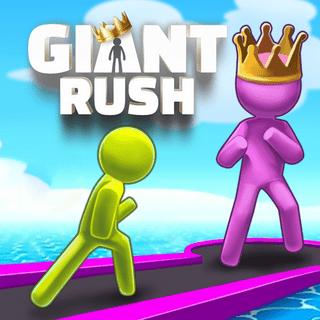
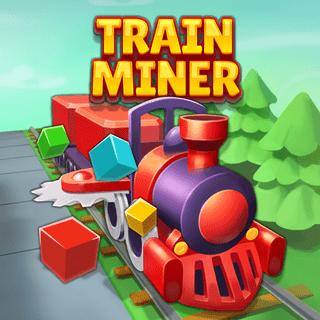





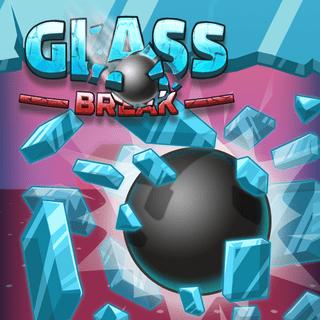


Arcade
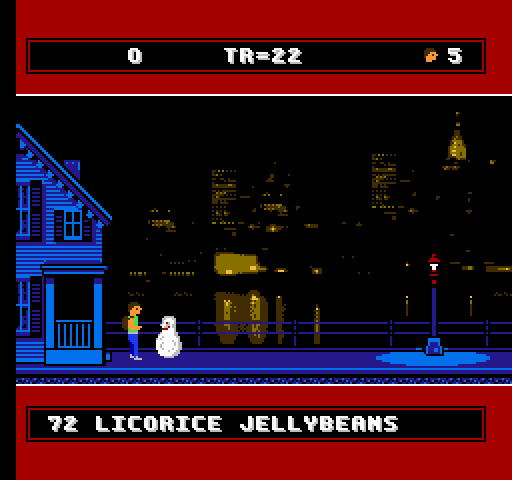
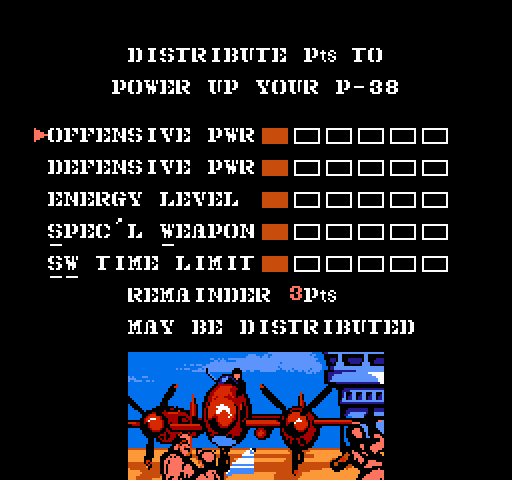
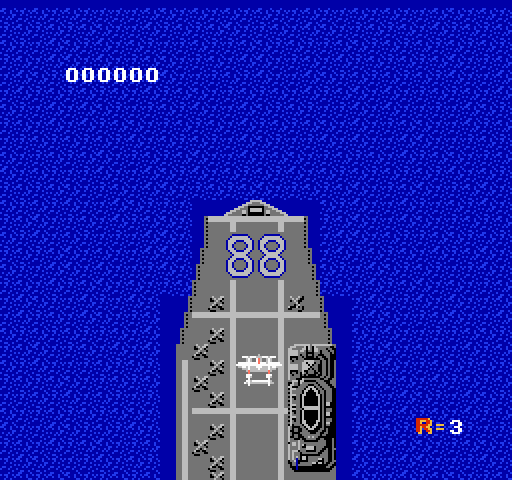
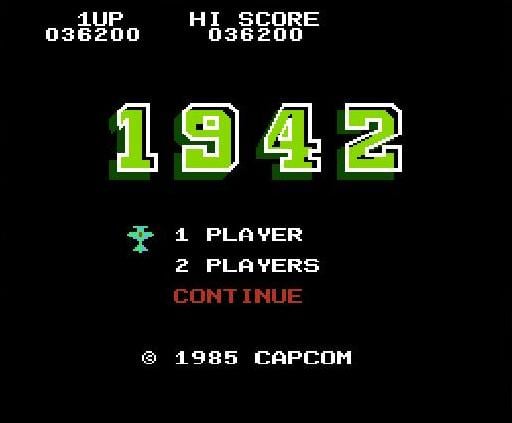
The Arcade Game genre is one of the foundational pillars of digital entertainment, known for its fast-paced gameplay, simple controls, and highly addictive challenge loops. Arcade Games emphasize instant action, quick decision-making, and constant movement, delivering an experience that keeps players engaged from the very first moment. These games originally emerged from physical arcade machines, where players were drawn to flashing lights, dynamic audio, and the pursuit of high scores. Today, the genre continues to thrive across consoles, PC, mobile devices, and online gaming platforms, preserving the spirit of classic arcade fun while integrating modern visuals and features.
Gameplay in Arcade Games typically revolves around short, intense sessions designed to test a player’s timing, coordination, and reaction speed. There are few complex rules; instead, players must act quickly and stay alert as challenges escalate. This simplicity makes Arcade Games easy to learn yet difficult to master—a hallmark of their lasting popularity. Many players enjoy this genre because it delivers immediate entertainment without long tutorials or complicated mechanics.
Players who appreciate quick bursts of excitement, retro-style gameplay, and skill-based progression naturally gravitate toward Arcade Games. Whether shooting targets, dodging obstacles, matching patterns, or navigating mazes, the focus remains on precision and speed. The genre often includes score-based objectives, combos, multipliers, and dynamic hazards that keep players returning for “one more try.” This loop of challenge and reward is what gives Arcade Games their timeless appeal.
Arcade Games have become especially important in online and mobile gaming thanks to their accessibility. Many of the most popular fast-play games today trace their origins to arcade design principles. Modern platforms such as Apkgosu.fun also offer a wide variety of arcade-style titles, allowing players to jump instantly into classic or modern interpretations of the genre.
Another strength of Arcade Games lies in their variety. From puzzle-based titles to shooters, platformers, rhythm games, and action-packed challenges, the arcade aesthetic can adapt to nearly any gameplay style. This flexibility, combined with their energetic presentation, ensures that the genre remains relevant even as gaming technology continues to evolve.
History & Evolution of the Genre
The Arcade Game genre originated in the late 1970s and early 1980s, an era often referred to as the “Golden Age of Arcades.” During this time, gaming machines became cultural icons thanks to their bright screens, cabinet artwork, and competitive high-score systems. Titles from this era introduced gameplay styles that would influence generations of designers—simple, engaging mechanics paired with increasing difficulty.
As home consoles and personal computers gained popularity, arcade-style gameplay transitioned into digital formats, reaching new audiences. Developers continued refining the formula by adding new genres, improving graphics, and integrating more sophisticated controls. Although physical arcades became less common over time, the spirit of arcade gaming continued to live on through digital releases, handheld devices, and mobile apps.
Today, retro-style arcade games coexist with modern interpretations that use advanced physics, 3D environments, and online leaderboards. The core principles remain unchanged: fast action, approachable gameplay, and constant challenge.
🎮 Core Gameplay Elements
Arcade Games rely on tight, responsive mechanics designed to deliver fast action and increasing difficulty. These elements contribute to the genre’s excitement and replayability.
- 🕹️ Simple controls that allow players to jump into action immediately without long tutorials.
- ⚡ Fast-paced challenges requiring sharp reflexes, timing, and rapid decision-making.
- 🎯 High-score systems that motivate players to improve their performance through repeated play.
- 📈 Accelerating difficulty that introduces faster enemies, more obstacles, or tighter timing windows.
- 💡 Replay value driven by score chasing, combos, pattern mastery, and varied game modes.
Why This Genre Attracts Players
Arcade Games are ideal for players who want quick, exciting, and instantly accessible entertainment. Their short session lengths make them perfect for casual gameplay, while their escalating difficulty offers depth for competitive or high-skill players. Many players love the thrill of pushing their reflexes to the limit and improving with each attempt.
The emotional appeal of Arcade Games comes from their ability to deliver immediate gratification 😊. Whether hitting a new high score, beating a personal best, or overcoming a particularly challenging sequence, players feel a sense of accomplishment with every successful run. Because gameplay is fast and focused, it provides bursts of excitement that keep players coming back.
Arcade Games also appeal to nostalgia. Many gamers grew up playing similar titles in arcades, and modern versions preserve the energetic spirit and sound effects that defined the classic era. This combination of nostalgia and modern refinement makes the genre continually attractive to new and returning players.
✨ Game Design Characteristics
Arcade Games often feature vibrant visuals, flashy effects, and bold color schemes that communicate action and urgency. Developers focus on clarity and immediacy—players must instantly understand hazards, objectives, and movement possibilities. Animations tend to be quick and punchy, reinforcing the fast-paced atmosphere.
- Art style & animation approach
- Sound effects & atmosphere
- User interface & control schemes
- Difficulty curve
- Session length / pacing
Sound effects are a defining aspect of arcade design. Beeps, chimes, explosions, and rhythmic music help maintain energy and inform players of success or failure. The interface is designed to be minimalistic and unobtrusive so players can keep their attention on the action.
The difficulty curve usually increases steadily, starting easy and becoming progressively more challenging. This pacing helps new players build skills while giving experienced players room to push themselves. Sessions are often short, making Arcade Games ideal for bite-sized gameplay or extended score-chasing sessions.
💡 Tips for New Players
New players entering the Arcade Game genre can improve quickly by focusing on timing, awareness, and practice. Understanding the rhythm of movement and obstacle patterns is often more important than raw speed. With consistent effort, players can develop quicker reactions and better control.
Arcade Games reward pattern recognition and calm decision-making under pressure. Approaching challenges with patience and paying attention to visual cues can drastically improve performance over time.
- Observe enemy or obstacle patterns to anticipate threats instead of reacting blindly.
- Start slow and increase speed as comfort and familiarity with the mechanics grow.
- Use power-ups wisely, especially those that provide temporary safety or score boosts.
- Master advanced strategies like combo chaining, precision timing, or optimizing movement routes for better scores.
Who Should Play This Genre?
The Arcade Game genre is perfect for players who enjoy quick action, precision-based challenges, and competitive high-score systems. It's ideal for individuals looking for fast-paced entertainment that can fit into short breaks or longer gaming sessions. Both casual and hardcore players will find something to enjoy in this genre.
If you appreciate games that test your reflexes, offer instant excitement, and encourage continuous improvement, Arcade Games are an excellent fit for your interests.
❓ FAQ
What defines an Arcade Game?
An Arcade Game emphasizes fast-paced action, simple controls, and short, challenging gameplay sessions. It often focuses on score chasing and survival.
Are Arcade Games beginner-friendly?
Yes. Their simple mechanics make them accessible to new players, while increasing difficulty provides depth for experienced gamers.
Do Arcade Games require quick reflexes?
Most do, as timing and reaction speed are essential elements of their design. However, practice greatly improves performance.
Are modern Arcade Games different from classic ones?
Modern titles may include updated graphics, online features, or new mechanics, but they still preserve the core arcade values of speed and simplicity.
Do Arcade Games have long-term progression?
Some games feature unlockables or upgrades, but many focus primarily on high scores and repeated short sessions.
Why do players still enjoy Arcade Games today?
Their combination of accessibility, excitement, and competitive challenge makes them timeless and continually appealing to players worldwide.